


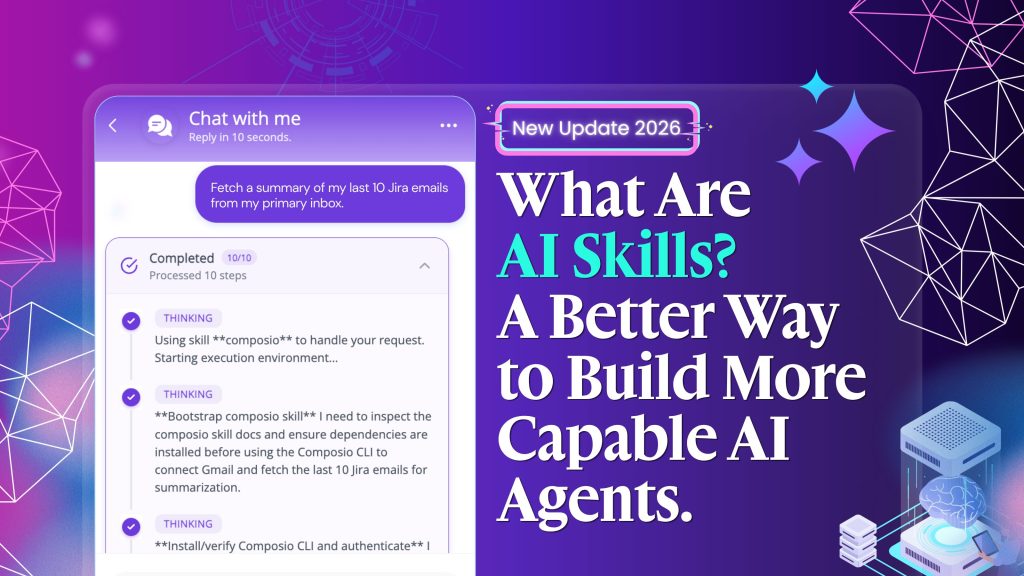
AI agents have come a long way in a short time. Most businesses today are already experimenting with them, whether it’s for customer support, internal tools, or automating routine tasks.
But if you’ve spent any real time using AI agents, you’ve probably noticed something.
They’re smart, but not always useful.
They can explain things well. They can generate content. But when it comes to actually doing something specific, like fetching project data, handling structured workflows, or interacting with tools, they often fall short.
That gap between “knowing” and “doing” is exactly where AI Skills come in.
Where AI Skills came from and what makes them different
The concept of AI Skills became popular with newer AI agent platforms, particularly through tools like Claude by Anthropic, where Skills were introduced as a way to give agents reusable, task-specific capabilities instead of relying only on prompts.
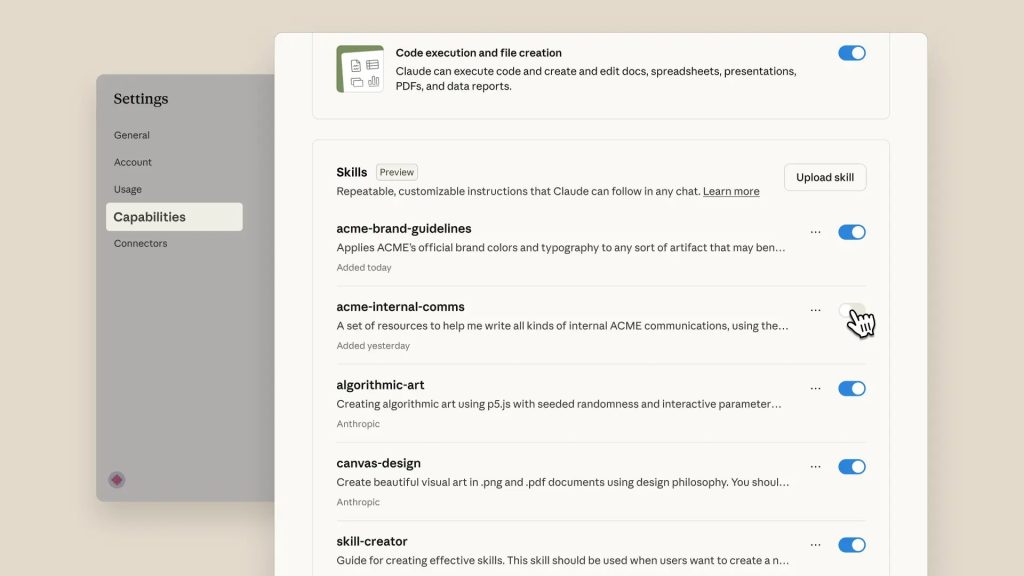
What makes them different is how they’re used. A prompt helps an agent respond in a single interaction, but a Skill gives it a defined capability it can apply repeatedly. Instead of starting from scratch each time, the agent can use a Skill whenever a similar task comes up, making its behavior more consistent and reliable.
Portable AI Agents In Seconds, Use Everywhere
Prompt, Test, and Deploy AI Agents Across Social Platforms and LLMs. Automate Everything.
AI agents are getting smarter—but not always more practical
The current generation of AI agents is incredibly good at conversation. Ask them a question, and you’ll get a well-structured answer. Ask for ideas, and they’ll give you plenty.
But business use cases are rarely that simple.
A marketing team might want an agent to generate campaign ideas and create assets.
An operations team might want an agent to fetch live data from tools like Trello.
A support team might need structured responses based on workflows, not just generic answers.
In these situations, general-purpose AI starts to show its limitations.
You don’t just want an agent that talks. You want an agent that understands context, follows a process, and performs a task reliably.
That’s the shift we’re seeing, from conversational AI to Agentic AI that can actually support real work.
What are AI Skills?
AI Skills are what make that shift possible.
At a simple level, AI Skills are specialized capabilities that you attach to an AI agent so it can perform specific tasks more effectively.
Instead of relying only on general knowledge, the agent now has structured instructions, logic, and sometimes integrations that guide how it should respond in certain situations.
You can think of it like this.
A general AI agent is like a smart assistant who knows a little about everything.
An AI agent with Skills is like an assistant who has been trained for specific roles.
For example, instead of just answering questions about project management, an agent with a Trello Skill can:
- Understand how Trello boards are structured
- Fetch relevant data
- Respond with accurate, task-specific information
This changes the nature of interaction completely. You’re no longer just asking questions, you’re getting actionable outcomes.
AI Skills vs MCP: understanding the difference
As AI systems evolve, it’s easy to confuse different concepts, especially when they seem to overlap. One common question is how AI Skills compare to MCP (Model Context Protocol).
In simple terms, they solve different problems.
MCP focuses on connecting your agent to external tools and data sources, while AI Skills define how the agent uses that access to perform specific tasks.
To make this clearer, here’s a quick comparison:
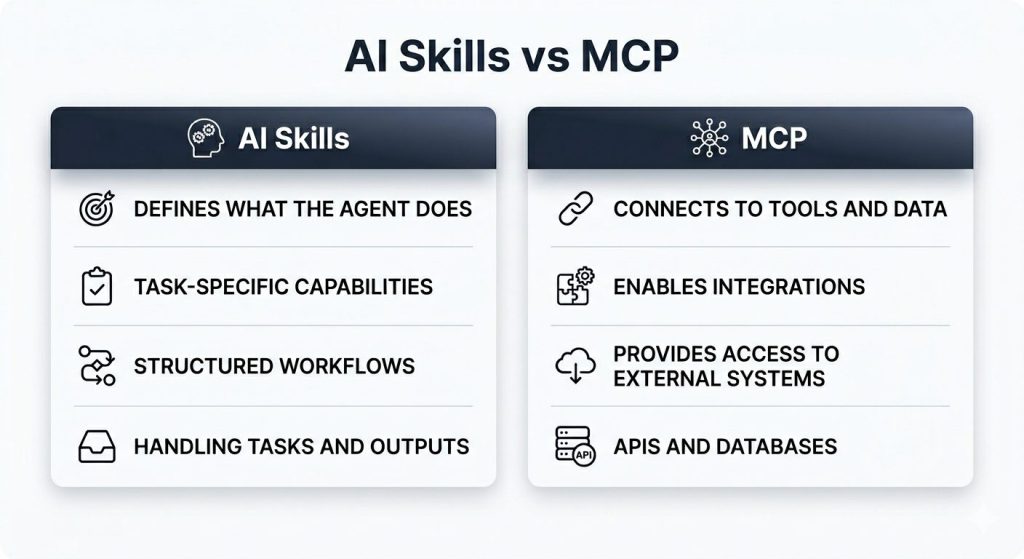

MCP gives your agent access. AI Skills give it direction.
Where to find AI Skills and how to use them safely
As AI Skills become more widely used, another practical question comes up: where do you actually find them?
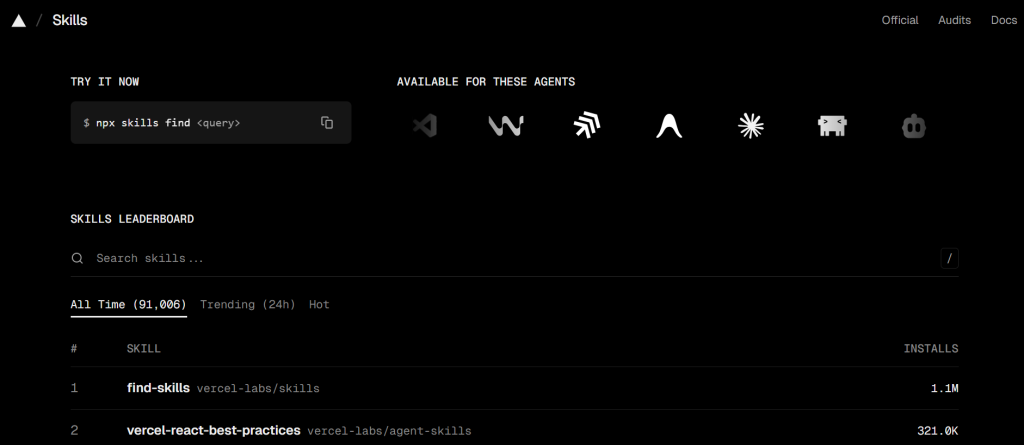
In most cases, Skills are discovered through skill libraries or directories. Platforms like ClawHub and skills.sh are good examples of this. They make it easier to explore different Skills and quickly add new capabilities to your agent without building everything from scratch.

But this convenience also comes with responsibility.
Not every Skill should be treated as equally reliable. Since Skills can influence how an agent behaves or interact with external systems, using an unverified Skill can lead to issues such as inconsistent outputs, unexpected behavior, or unnecessary access to sensitive data.
That’s why it’s important to be selective.
Some platforms, like ClawHub, surface trust signals or security checks to help identify more reliable Skills. Even then, it’s a good practice to review what a Skill does, what inputs it requires, and whether it comes from a trusted source before using it in a live workflow.
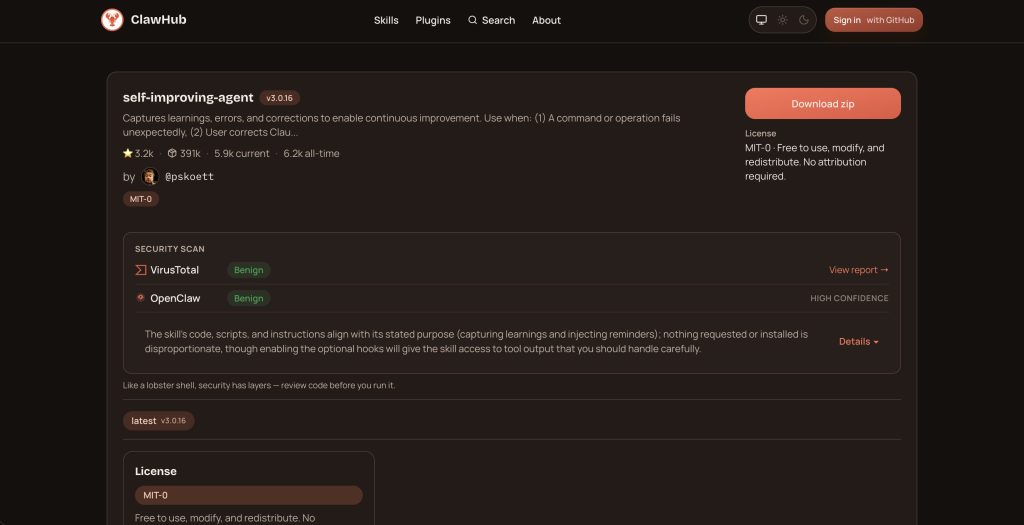

The goal is simple: use AI Skills to make your agent more capable, while making sure those capabilities remain controlled, predictable, and safe for real business use.
Real-world use cases of AI Skills
Once you look at AI Skills in a practical setting, their value becomes much clearer. Instead of limiting agents to general conversations, they allow them to support different teams in handling real work more efficiently.
Project management teams
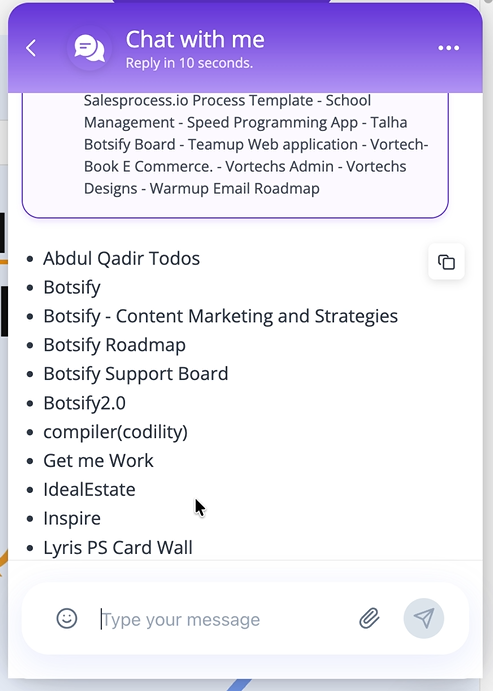
AI Skills can help agents interact with tools and return structured updates when needed. Instead of manually checking boards or switching between platforms, team members can quickly retrieve task lists, updates, or relevant project details through a simple query.

Marketing and content teams
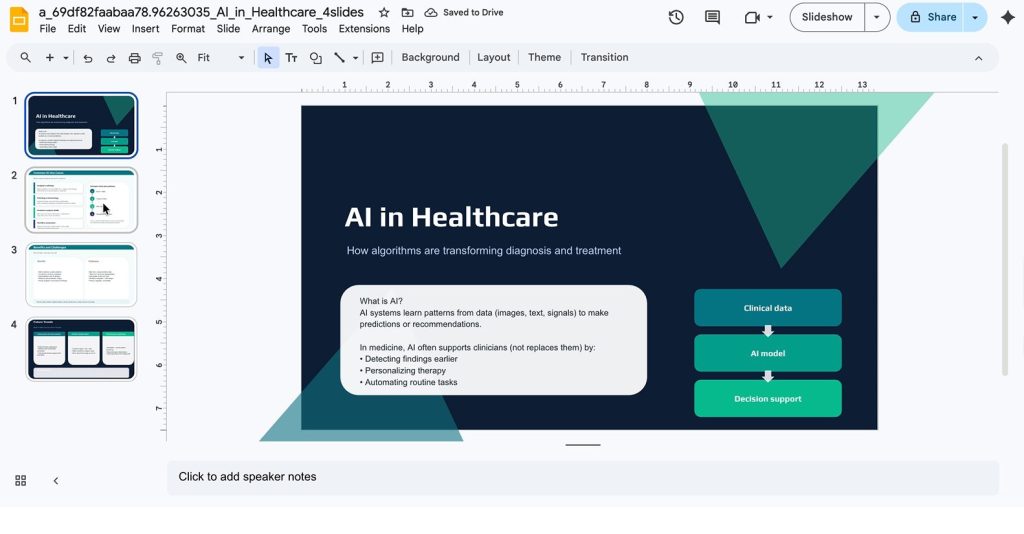
AI Skills can support the creation of complete outputs rather than just ideas. This can include generating structured content, preparing presentation materials, or turning requirements into usable assets that teams can directly work with.

Operations and administrative teams
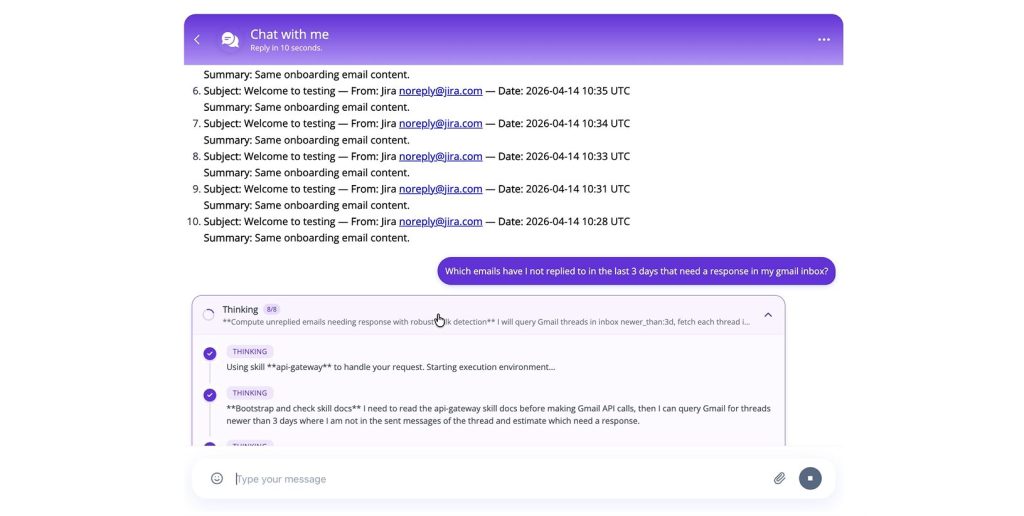
AI Skills can simplify routine tasks by connecting agents to systems like email. This makes it easier to search for specific messages, surface important or unread emails, and retrieve relevant information without manually going through inboxes.

What’s interesting is that these use cases are not limited to large organizations. In fact, AI agents for small businesses benefit even more from this approach, as they often lack the resources to build complex systems from scratch and need practical solutions that can be implemented quickly.
These examples show that AI Skills are not limited to a single use case or tool. They allow businesses to extend their agents across different workflows, making them more useful wherever structured tasks and reliable outputs are needed.
How Botsify brings AI Skills into your workflow
This is where Botsify’s approach becomes relevant.
Instead of treating AI agents as standalone conversational tools, Botsify allows you to extend them with Skills that are directly tied to your business needs. You can attach predefined Skills or create your own, depending on what you want your agent to handle. This flexibility reflects a broader trend in llm development services, where organizations customize large language model capabilities to support specific workflows, business processes, and user requirements rather than relying solely on generic conversational functionality.
The experience is designed to be practical. You’re not building systems from scratch or managing infrastructure, you’re simply adding Skills so your agent can handle specific tasks more reliably within your workflow.
What this creates are skillful AI agents that don’t just respond, but actually perform tasks with structure and consistency.
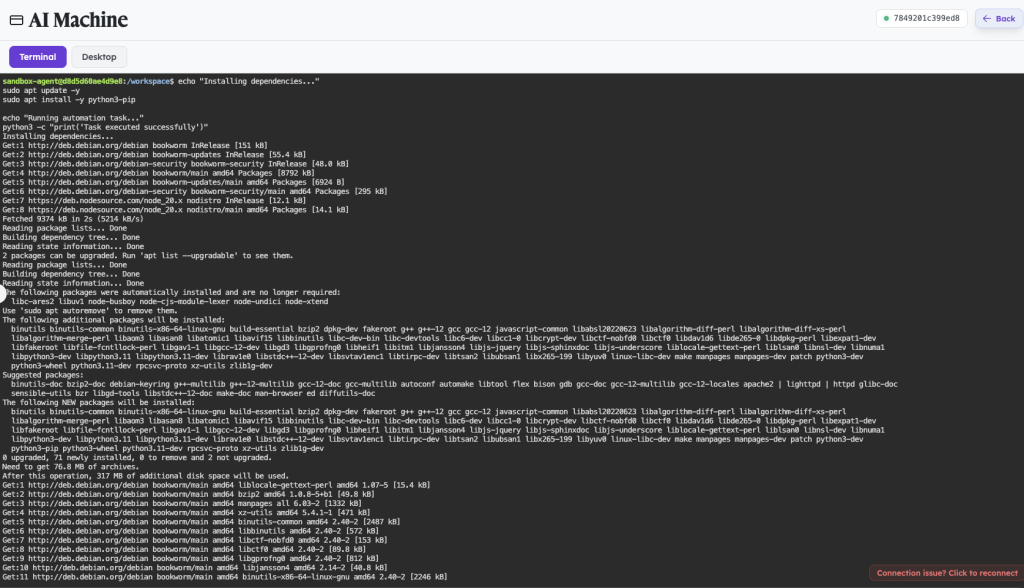
Botsify also provides the environment where those tasks are executed. Each task runs in a dedicated cloud setup, so the agent isn’t just responding, it’s performing actions without requiring a separate VPS or complex integrations.
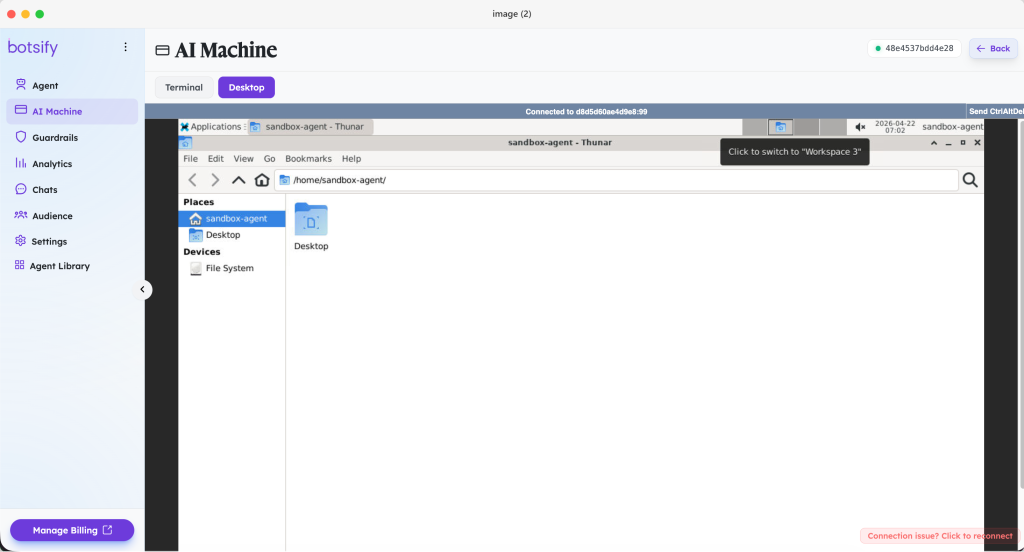

At the same time, you can see what’s happening. Botsify provides both a terminal view and a graphical interface, giving you visibility into how tasks are executed and helping you stay in control.

Because everything is part of a single AI agent platform, it becomes easier to manage, scale, and adapt as your needs grow.
Why AI Skills matter for the future of AI agents
The difference becomes clear when you look at how agents behave with and without Skills.
Without Skills, most agents rely heavily on prompts. Users often need to guide them step by step, and even then, responses can be generic or inconsistent, especially when tasks require structured handling or system-level understanding.
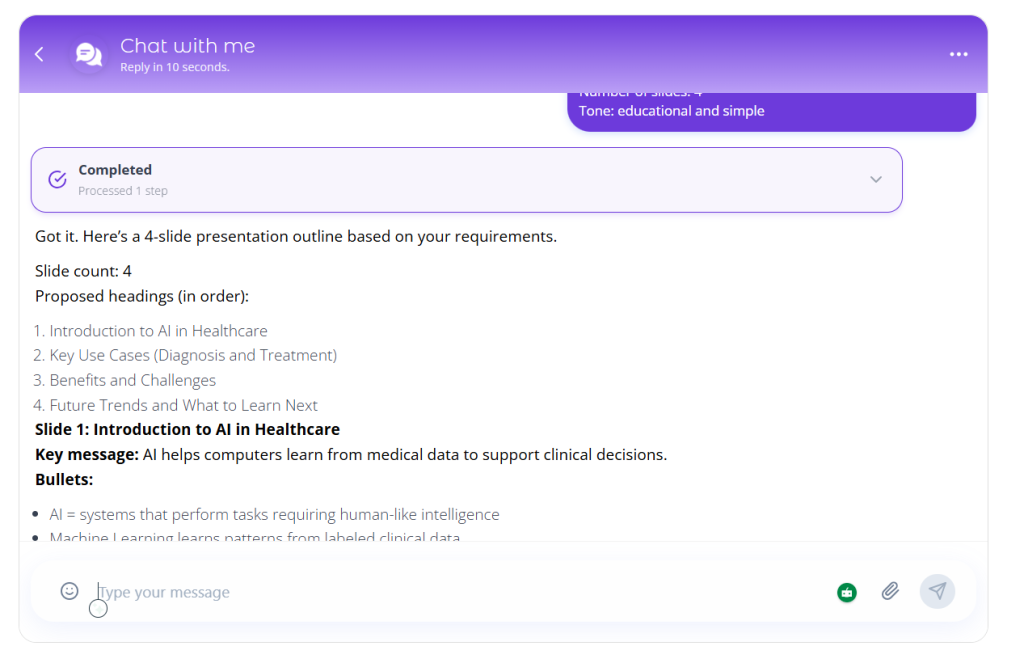

With AI Skills, that changes.
Agents can follow predefined logic for specific tasks, which leads to more accurate responses, fewer follow-up prompts, and more reliable outputs. Instead of trying to interpret every request from scratch, the agent knows how to handle certain types of queries.
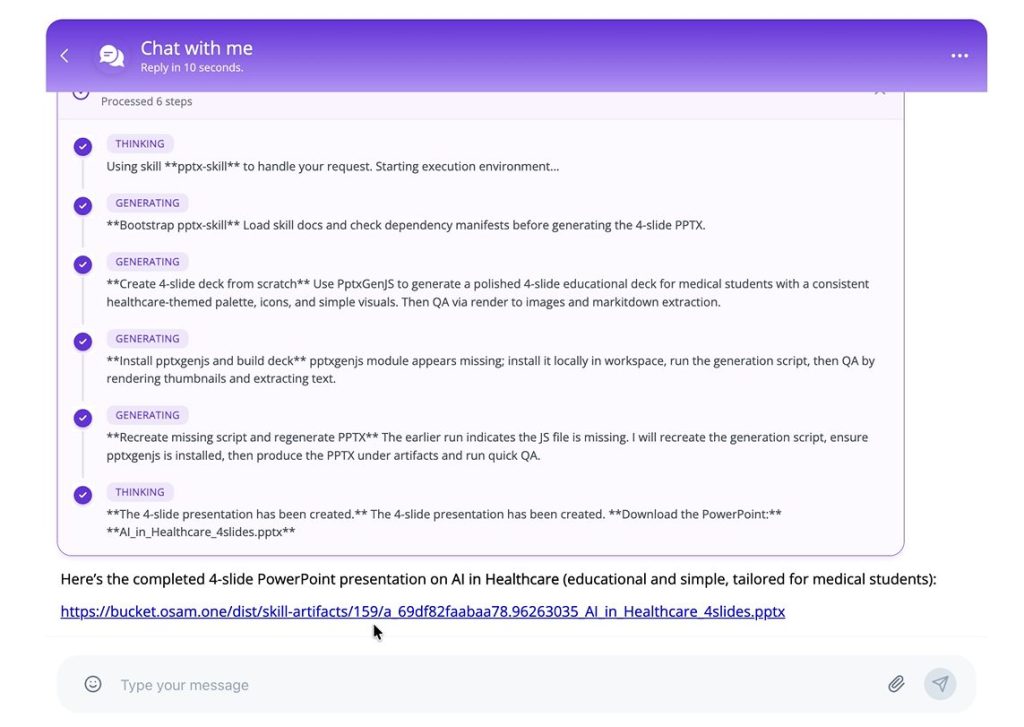

This shift, from prompt-driven responses to skill-driven execution, is what makes AI agents more practical for real business workflows, where consistency and reliability matter more than just generating answers.
Final thoughts
AI agents are already powerful, but their real value comes from how they’re used.
Without structure, they remain conversational tools. With the right capabilities, they become practical systems that can support real work.
AI Skills are what bridge that gap.
They bring consistency, purpose, and functionality to AI agents in a way that aligns with business needs.
And with platforms like Botsify making these capabilities easier to implement, it’s becoming more accessible for teams of all sizes to build agents that are not just smart, but genuinely useful.
AI Agentic Platform For Building Portable AI Agents
Say Hello To Agentic AI That Connects With Your CRM And Even Other Agents